Top-ranked in the nation
Natural resource science and policy programs online
Effectively managing the Earth's resources requires more than good intentions. It takes scientific knowledge, creativity, leadership and a willingness to get your hands dirty. Whether you want to manage agroforestry systems, design permaculture landscapes or revitalize your local food system as an urban farmer, Oregon State University's online programs will give you the skills you need to get it done.
Effectively managing the Earth's resources requires more than good intentions. It takes scientific knowledge, creativity, leadership and a willingness to get your hands dirty. Whether you want to manage agroforestry systems, design permaculture landscapes or revitalize your local food system as an urban farmer, Oregon State University's online programs will give you the skills you need to get it done. Read more

Browse programs
41 programs available
Undergraduate degrees (15)
Agricultural Sciences
B.S.
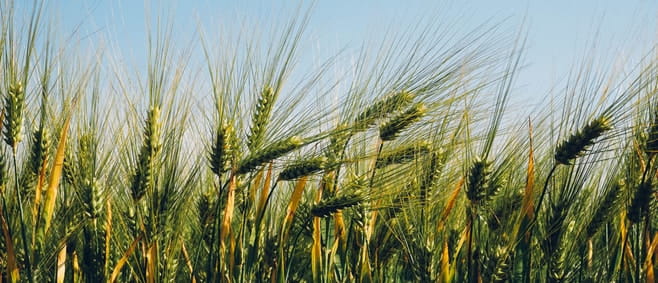
Design your own degree in agriculture through flexible curriculum that spans subjects such as agriculture production, leadership, agribusiness, world food crops and sustainability.

Animal Sciences
B.S.
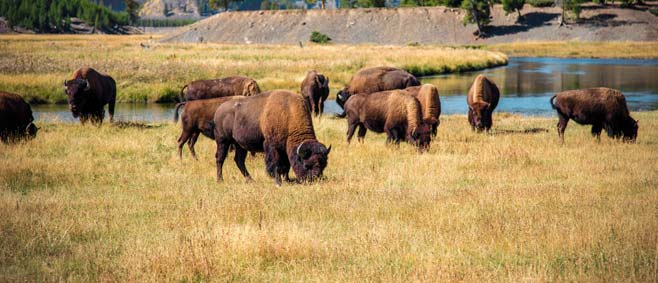
Prepare for work with domesticated animals like cattle, sheep, horses and dogs in a science-driven program exploring animal nutrition, behavior, reproduction and genetics.
Botany
B.S.
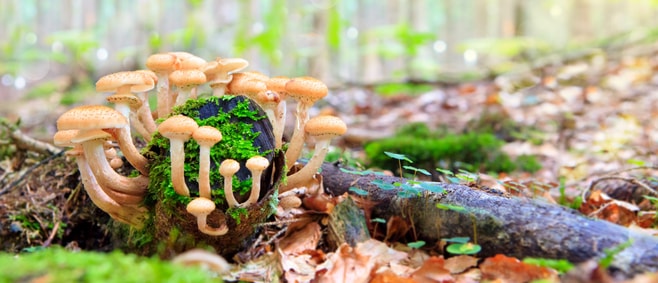
Study the biology of plants and fungi through subjects like plant structure, biodiversity and genetics to better understand human impact on plant and ecological systems.
Crop and Soil Science
B.S.
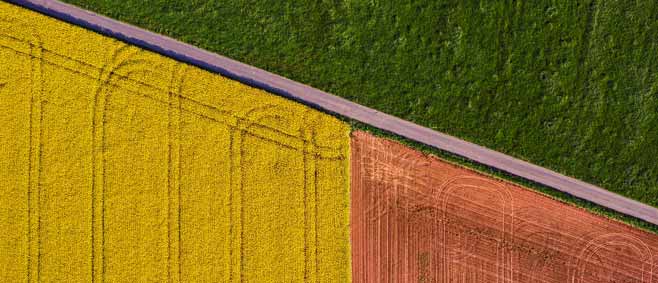
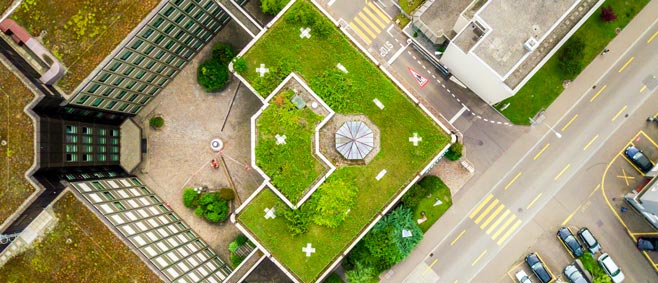
Dig deep into crop and soil science with courses related to natural systems, field crop agriculture, water and soil resource management, and sustainable agriculture practices.
Environmental Economics and Policy
B.S.
Develop a strong economic skill set – supplemented by education in biological, physical or social sciences – as you prepare for a multifaceted career in environmental analysis.
Environmental Sciences
B.S.
Pursue a rigorous, integrative education in science and policy as you learn to address global challenges like climate change, pollution and biodiversity loss as an environmentally focused scientist or analyst.


Load more
Undergraduate certificates (5)

Climate Change Solutions
Undergraduate Certificate
Gain a comprehensive understanding of the physical and social sciences behind climate change so you can develop the skills needed to create actionable solutions and seek climate justice.

Environmental Justice
Undergraduate Certificate
Develop the tools to understand and address the unequal distribution of environmental risks and benefits in a program that combines environmental science with social justice principles.
Geographic Information Science (GIScience)
Undergraduate Certificate
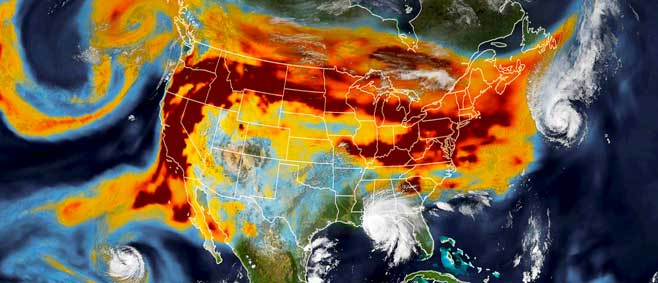
Discover how to use geographic information technologies, and develop a skill set that is highly valued in science, natural resources, government, industry and business.

Horticultural Therapy
Undergraduate Certificate
Gain the knowledge you need to design therapeutic gardens and provide care through the healing influence of nature for diverse populations who are facing health or emotional issues.
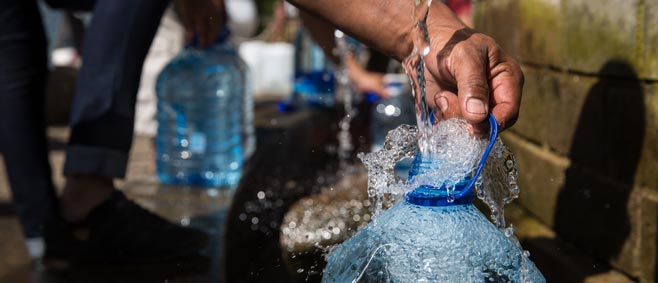
Humanitarian Engineering
Undergraduate Certificate
Build technical engineering skills and learn to analyze the social, environmental and economic context as you work with underserved populations to help gain safe access to vital resources.
Graduate degrees (6)

Biological and Ecological Engineering
MEng
Gain skills in nature-based engineering in an online master’s program that prepares you for a career solving real-world problems in rivers, forests, farmlands and more.
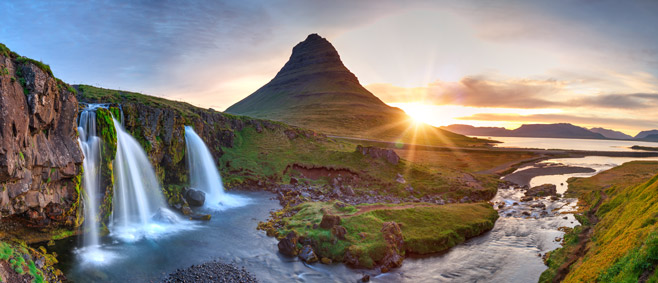
Environmental Sciences
M.S. or PSM
Choose between two master’s pathways in the environmental sciences. Gain rigorous training and focus on research areas like ecosystem function and health, water and natural resources management, environmental policy, and future climate scenario impacts.
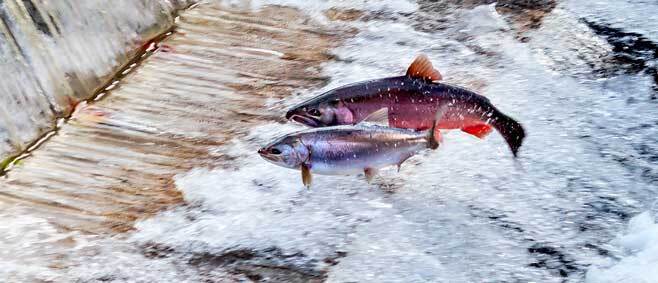
Fisheries and Wildlife Administration
PSM
Accelerate your career with advanced training in fish or wildlife biology, ecology, management and conservation. This program is ideal for professionals already working in fish and wildlife administration.
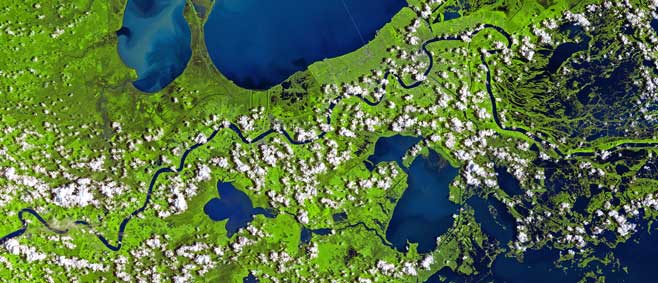
Geography and Geospatial Science
M.S.
Apply spatial data analysis to Earth systems and human-environment interactions to address issues ranging from climate resilience and environmental justice to transportation and public health.
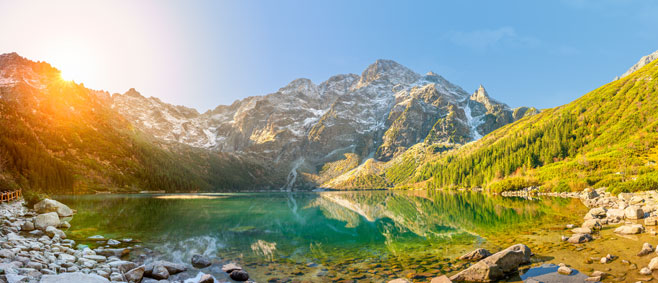
Natural Resources
MNR
Engage with customizable curriculum based on natural and social sciences as you learn to balance environmental, economic, health and cultural interests within the work of resource management.
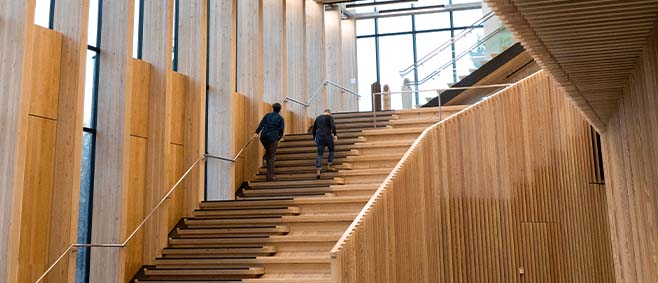
Wood Innovation for Sustainability
PSM
Gain expertise in wood science and technology as you study sustainable manufacturing, product design and material recovery in a non-thesis program that opens pathways to leadership roles.
Graduate certificates (15)

Energy Policy
Graduate Certificate
Broaden your knowledge of U.S. energy policy, how it impacts the development of energy markets, and the technologies and resources currently in use and under development.
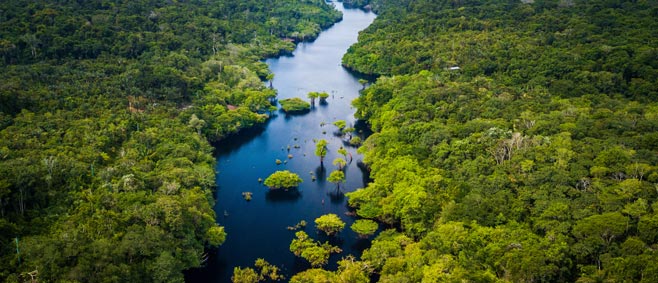
Environmental Management
Graduate Certificate
Help organizations build more sustainable practices with skills in environmental management systems, ESG reporting and investing, humanitarian engineering, green infrastructure and more.

Fisheries Management
Graduate Certificate
Gain the practical skills in biology, assessment science and social science that you need to manage sustainable recreational and commercial fisheries in collaboration with scientists and policymakers.
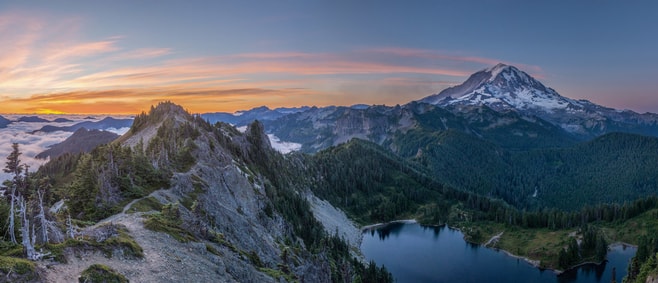
Forests and Climate Change
Graduate Certificate
Learn how climate change impacts forest ecosystems and approaches to improve forest management for climate change mitigation and adaptation.
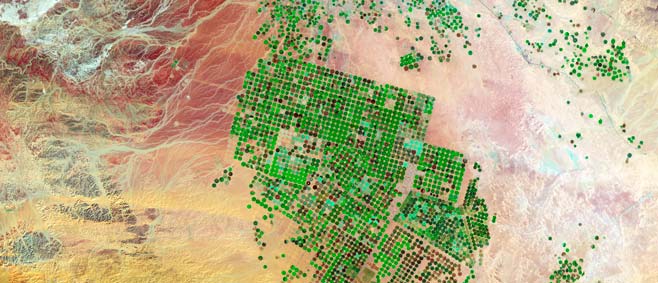
Geographic Information Science
GIScience Graduate Certificate
Develop skills in remote sensing, geospatial data collection and analysis, geovisualization and the use of machine learning to measure and model systems of human and environmental interaction.
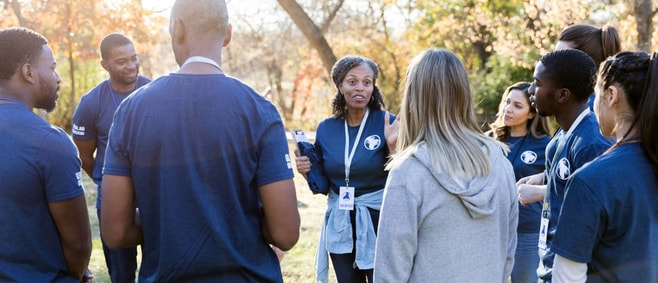
Leading and Creating Change
Graduate Certificate
Using practical methods, develop professional leadership skills that are valued by organizations that prioritize social, organizational and environmental health and justice.




Load more

You are more than you think you are. You can fight for yourself. You can earn your degree. It's possible. And it's such a great experience.”
B.S. in Fisheries and Wildlife Sciences

Contact us directly
Our knowledgeable staff of enrollment services specialists will answer your specific questions about Oregon State online degree programs, courses, the application process and how to get started.
8 a.m.–4 p.m. PT, Monday–Friday
Request
information
To ensure that you receive emails from us, please add "ecampus@oregonstate.edu" and these domains to your safe senders list: “@oregonstate.edu,” “@discover.oregonstate.edu” and “@email.oregonstate.edu.”
† All mobile information you share will remain confidential and will never be given to external sources. Any costs associated with receiving a text message are the responsibility of the individual receiving the message. Opting in to this mobile text messaging service from Ecampus is free of charge, however, message and data rates may apply from your wireless carrier.